
Understanding Search Engine Positioning
In today’s digital landscape, where billions of searches happen every single day, the ability to rank well on search engines has become absolutely critical for businesses. Search engine positioning refers to where a website appears in search results when users search for specific keywords or phrases. A strong search engine positioning seo strategy can mean the difference between thriving online visibility and remaining invisible to potential customers.
Search engine positioning SEO isn’t just about getting listed on Google—it’s about earning a spot where potential customers actually see your business. When someone searches for a product, service, or solution, they typically click on one of the first few results. Websites that dominate these top positions enjoy significantly higher traffic, credibility, and conversion rates compared to those buried on page two or beyond.
What Is Search Engine Positioning and Why It Matters
Defining Search Engine Positioning
Search engine positioning refers to the ranking position of a website in search engine results pages (SERPs) for specific keywords or phrases. If a dental practice appears in position three when someone searches “dentist near me,” that’s their search engine positioning for that keyword. Improving search engine positioning means moving from position 50 to position 10, or ideally, from position 10 to position one.
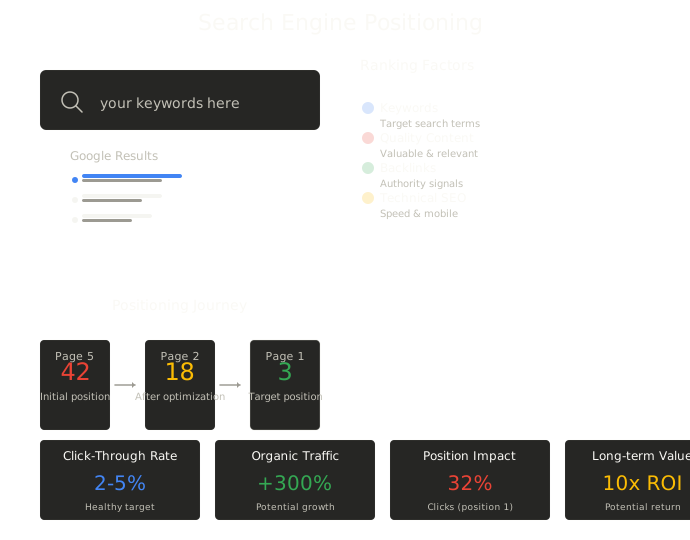
The importance of search engine positioning cannot be overstated. Research shows that the first search result receives approximately 32% of all clicks, while the second result gets about 17%. By position ten, click-through rates drop dramatically. This means that achieving top search engine positioning directly impacts how much organic traffic a website receives.
The Business Impact of Strong Search Engine Positioning
Businesses with superior search engine positioning enjoy numerous advantages. They receive more qualified traffic from people actively searching for their products or services. This targeted traffic converts at higher rates than cold outreach or paid advertising. Additionally, high search engine positioning builds brand authority and trust—users naturally assume that top-ranked websites are more credible and established.
The revenue impact is substantial. A service-based business that improves its search engine positioning from position 15 to position three might see a 300-400% increase in organic traffic within months. This translated to real dollars—more consultations, more sales, more growth.
Core Elements of Search Engine Positioning Strategy
On-Page Optimization for Better Positioning
On-page optimization involves optimizing individual web pages to improve search engine positioning for target keywords. This includes strategic placement of keywords in page titles, meta descriptions, headings, and body content. However, modern search engine positioning strategy goes far beyond simple keyword insertion.
Effective on-page optimization focuses on:
Content Quality and Relevance: Search engines reward comprehensive, authoritative content that answers user questions thoroughly. A blog post about “digital marketing strategies” should provide genuine value, cover the topic completely, and demonstrate expertise. This quality content naturally improves search engine positioning because search algorithms recognize and favor pages that satisfy user intent.
User Experience Signals: Search engine positioning is influenced by how visitors interact with a page. Faster loading times, mobile responsiveness, intuitive navigation, and clear formatting all contribute to better search engine positioning. When visitors spend more time on a page and engage deeply with content, search engines interpret this as a signal that the page deserves better positioning.
Keyword Optimization: Strategic placement of relevant keywords in titles, headers, and content helps search engine positioning, but keyword stuffing backfires. Modern search engine positioning strategy focuses on natural keyword integration that reads naturally while still signaling page relevance to search engines.
Technical SEO and Search Engine Positioning
Technical aspects significantly impact search engine positioning. Website architecture, crawlability, site speed, and security all influence how search engines evaluate and rank pages. A website with poor technical foundations will struggle to achieve strong search engine positioning regardless of content quality.
Key technical elements affecting search engine positioning include:
- Site Speed: Slow-loading websites experience worse search engine positioning because they provide poor user experience
- Mobile Optimization: With most searches now happening on mobile devices, mobile-friendly websites achieve better search engine positioning
- SSL Security: Websites with HTTPS encryption receive a slight ranking boost, improving search engine positioning
- Structured Data: Implementing schema markup helps search engines understand content better, supporting improved search engine positioning
- XML Sitemaps and Robots.txt: These technical elements help search engines crawl and index content more effectively, supporting search engine positioning
Backlinks and Domain Authority
One of the most powerful factors influencing search engine positioning seo is the quality and quantity of backlinks pointing to a website. Backlinks act as “votes” for a website’s credibility and authority. A website with numerous high-quality backlinks from reputable sources will naturally achieve better search engine positioning than a website with few or low-quality backlinks.
Building a strong backlink profile requires creating content worth linking to, reaching out to relevant websites and publications, and earning mentions in industry discussions. While building backlinks takes time and effort, the impact on search engine positioning seo is substantial and long-lasting.
Advanced Search Engine Positioning Tactics
Content Strategy and Topical Authority
Modern search engine positioning strategies recognize the importance of topical authority. Rather than creating random blog posts scattered across different topics, successful websites establish deep expertise in specific subject areas. This comprehensive approach to search engine positioning means covering a topic from multiple angles, creating pillar content, and supporting it with detailed cluster articles.
For example, a fitness website might establish topical authority around “weight loss” by creating comprehensive guides, science-backed articles, workout plans, nutrition advice, and success stories. This interconnected content network significantly improves search engine positioning for all related keywords because search engines recognize the site’s comprehensive expertise.
Local Search Engine Positioning
For businesses serving specific geographic areas, local search engine positioning seo is critical. This involves optimizing for location-based keywords like “plumber in Denver” or “restaurants near downtown Boston.” Local search engine positioning seo strategies include:
- Google Business Profile Optimization: Keeping business information accurate and complete improves local search engine positioning
- Local Citations: Consistency across business directories and listing sites supports local search engine positioning
- Location Pages: Dedicated pages for each service area improve search engine positioning for local queries
- Local Link Building: Earning backlinks from local organizations and publications boosts local search engine positioning
Intent-Based Search Engine Positioning
Understanding user search intent is crucial for modern search engine positioning strategies. When someone searches “best project management software,” they’re looking for reviews and comparisons—not a sales page for one product. Websites that align their content with search intent achieve superior search engine positioning.
Search intent falls into categories:
- Informational Intent: Users want information and answers. Content targeting these searches improves search engine positioning for informational keywords.
- Commercial Intent: Users are considering a purchase. Product comparisons and reviews rank well for these searches, improving search engine positioning.
- Transactional Intent: Users are ready to buy. Product pages and checkout pages should target these high-intent keywords for optimal search engine positioning.
- Navigational Intent: Users want to find a specific website. These searches are harder to rank for but less competitive for search engine positioning efforts.
Common Search Engine Positioning Mistakes to Avoid
Keyword Stuffing and Over-Optimization
One of the most damaging mistakes businesses make in pursuit of better search engine positioning seo is keyword stuffing—forcing keywords awkwardly into content. This practice not only reads terribly to human visitors but also triggers spam penalties from search engines, actually hurting search engine positioning.
Effective search engine positioning requires natural keyword integration that flows smoothly while still signaling relevance to search engines. Content should be written primarily for humans, with keyword optimization as a secondary consideration.
Ignoring User Experience
Some businesses focus exclusively on search engine positioning metrics while ignoring actual user experience. A website might technically achieve good search engine positioning seo for certain keywords but still fail to convert visitors if the site is confusing, slow, or poorly designed.
True search engine positioning success means ranking well AND delivering a great user experience that converts visitors into customers. Optimizing for both search engines and users creates sustainable search engine positioning improvements.
Neglecting Mobile Optimization
With over 60% of searches happening on mobile devices, neglecting mobile optimization is a critical mistake that damages search engine positioning. Websites that aren’t mobile-friendly experience worse search engine positioning seo for mobile queries, which represent a massive portion of all search traffic.
Measuring and Tracking Search Engine Positioning
Monitoring Keyword Rankings
Tracking search engine positioning seo for target keywords is essential for measuring SEO success. Tools like SEMrush, Ahrefs, Moz, and Google Search Console provide detailed data about current search engine positioning, ranking changes, and competitor positioning.
Monitoring should focus on keywords that matter for business—not every possible keyword variation. Track search engine positioning seofor your most valuable keywords and watch for trends over time. Improvement in search engine positioning for high-intent keywords directly correlates with increased revenue.
Understanding Search Engine Positioning SEO Metrics
Several metrics help evaluate search engine positioning seo effectiveness:
Visibility Score: A metric showing overall search engine positioning across all tracked keywords. Improvement in this score indicates better overall search engine positioning.
Average Position: The average ranking position across all tracked keywords. Lower average position numbers indicate better search engine positioning.
Click-Through Rate (CTR): Even with good search engine positioning, improving CTR means more traffic. This happens through optimized title tags and meta descriptions.
Organic Traffic: The ultimate measure of search engine positioning success—actual visitors coming from search results.
Creating a Search Engine Positioning Action Plan
Audit Your Current Positioning
Start by understanding where you stand. Analyze your current search engine positioning for relevant keywords. Use tools to identify which keywords you’re ranking for, where you rank, and where opportunities exist.
Identify Target Keywords
Focus on keywords that align with business goals and customer intent. Prioritize keywords with decent search volume but achievable search engine positioning seo opportunities—keywords where competitors rank but you have a chance to outrank them.
Develop Comprehensive Content
Create content specifically targeting your identified keywords. Focus on delivering genuine value that satisfies user intent and supports your search engine positioning seo goals.
H3: Build Authority Through Links
Develop a link-building strategy focused on earning backlinks from reputable, relevant websites. Quality backlinks remain one of the most influential factors in search engine positioning.
Monitor and Iterate
Track your search engine positioning progress regularly. Analyze what’s working, what isn’t, and adjust your strategy accordingly. Search engine positioning improvement is an ongoing process of optimization and refinement.
Search Engine Positioning in the Future
Search engine positioning strategies continue evolving. Artificial intelligence and machine learning increasingly influence how search engines rank pages. Voice search is changing search behavior and therefore search engine positioning strategies. Featured snippets are becoming more prominent, requiring new approaches to achieve search engine positioning for these coveted spots.
Successful businesses will adapt their search engine positioning strategies to these changes, focusing on creating genuinely valuable content that serves user needs while maintaining technical excellence.
Conclusion: Your Path to Superior Search Engine Positioning
Achieving strong search engine positioning requires a comprehensive, multi-faceted approach combining technical excellence, high-quality content, user experience, and authority building. It’s not a quick fix but rather an ongoing commitment to improvement.
Businesses that invest in legitimate search engine positioning strategies—focusing on creating value for users, earning authority through quality backlinks, and maintaining technical excellence—will enjoy sustainable organic growth. In an increasingly competitive digital landscape, superior search engine positioning isn’t optional—it’s essential for business success.
The journey to better search engine positioning starts with understanding your current position, identifying realistic opportunities, and executing a well-planned strategy. Begin today, stay committed to improvement, and watch as your search engine positioning gradually climbs, bringing more qualified traffic and customers to your business.